
Slowing Nearsightedness: Myopia Control for Students
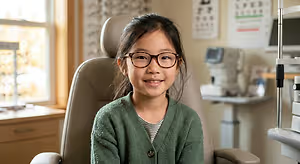
Does your child need stronger glasses again? When classroom boards become blurry or your teen struggles to see across the gym, updating a prescription helps restore clarity. But families exploring myopia management in Dalton can also consider ways to slow the changes behind those stronger prescriptions.
Myopia, or nearsightedness, often develops during childhood and can continue progressing through the teen years. Standard glasses correct blurry distance vision, but they do not typically slow myopia progression. Myopia control adds another goal: helping limit how quickly nearsightedness increases as your child grows.
Why Early Intervention Matters
Myopia commonly involves the eye growing too long, causing distant objects to appear blurry. Higher levels of myopia are associated with greater risks of retinal detachment, glaucoma, and other eye conditions later in life. Management aims to slow progression; it cannot reverse existing myopia or guarantee that prescriptions will stop changing.
A child’s age, family history, and prescription changes help guide the conversation. You do not need to wait until your child has a strong prescription to ask about management. Earlier evaluation gives your eye doctor an opportunity to establish a baseline and discuss whether treatment makes sense.
Signs Your Student May Need an Eye Exam
Children may not recognize that their distance vision has changed. Watch for squinting, moving closer to the television, or difficulty seeing classroom presentations. A child who already wears glasses may report that once-clear objects look blurry again.
If you are looking for a pediatric eye doctor in Dalton, bring previous prescriptions and any teacher observations to the visit. Comprehensive eye exams assess prescription needs and eye health, helping distinguish myopia from other reasons a student may struggle visually.
Myopia Control Options Beyond Standard Glasses
At Dalton Optometry, available management options include MiSight® contact lenses, Stellest® spectacle lenses, and low-dose atropine therapy. Recommendations depend on your child’s individual needs and eligibility.
-
Specialized soft contact lenses: MiSight daily disposable lenses correct distance vision while helping slow progression in eligible children. A contact lens evaluation helps determine suitability and readiness for safe handling.
-
Myopia-control glasses: Stellest lenses use a specialized optical design to help slow progression while correcting vision. They offer an option for eligible children who prefer glasses.
-
Low-dose atropine drops: These prescription drops may help slow progression but do not replace glasses needed for clear vision. Their use for myopia is off-label in the United States. Results vary, and potential side effects include light sensitivity and blurred near vision.
Your eye doctor will explain expected benefits, treatment responsibilities, and risks, including infection risks associated with contact lenses. No single option is right for every student.
Build Healthy Habits Into the School Year
Homework, reading, and digital assignments can mean long stretches of close-up work. Encourage regular distance-viewing breaks, comfortable reading distances, and outdoor activity with appropriate sun protection. Outdoor time can help reduce the likelihood of developing myopia, but it does not replace prescribed management for a child who is already nearsighted.
Choose a treatment routine your family can maintain. Follow-up visits allow your eye doctor to check progress, discuss comfort or handling concerns, and decide whether the plan needs adjustment.
Explore Myopia Management in Dalton
A school break can be a convenient time to arrange pediatric eye exams in Dalton and discuss changing prescriptions before the next busy term. Whether your child has just received glasses or your teen needs another prescription update, Dalton Optometry can help you understand the next steps.
Request an appointment to discuss a personalized approach to your student’s vision.