
Ocular Disease Management in Dalton, GA
Our medical eye care services in Dalton help detect, monitor, and manage eye diseases that can affect long-term vision and eye health. Advanced diagnostic technology allows us to identify changes early and provide personalized treatment recommendations.
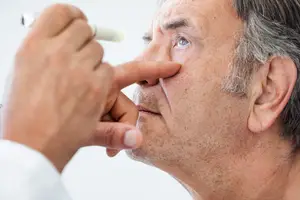
Many Eye Diseases Develop Without Noticeable Symptoms
One of the greatest challenges in eye care is that many serious eye conditions can develop quietly. Patients often assume their eyes are healthy because they can still see clearly. However, conditions affecting the retina, optic nerve, and other structures inside the eye may progress long before noticeable symptoms appear.
This is one of the reasons routine eye health evaluations are so important. Regular eye exams allow us to identify changes early, monitor eye health over time, and recommend treatment when necessary.

Early Detection Creates More Treatment Options
Many eye diseases become easier to manage when they are identified early.
Detecting changes before they affect vision often provides more opportunities for treatment, closer monitoring, and long-term preservation of eye health. Early detection can also help reduce the risk of complications that may occur when conditions go undiagnosed for extended periods.
Whether you're managing an existing condition or simply monitoring your eye health over time, regular evaluations play an important role in protecting your vision.
Care for Glaucoma & Optic Nerve Health
Glaucoma is often called the "silent thief of sight" because vision loss can occur gradually without obvious symptoms.
The condition damages the optic nerve and may affect peripheral vision before patients notice any changes. Regular monitoring allows us to evaluate intraocular pressure, assess optic nerve health, and identify changes that may indicate glaucoma or an increased risk of developing it.
Through ongoing evaluations and advanced diagnostic testing, we help patients monitor their eye health and make informed decisions about their care.


Diabetes Can Affect More Than Your Blood Sugar
Diabetes affects blood vessels throughout the body, including the delicate structures inside the eyes.
Changes associated with diabetes can sometimes develop before noticeable vision problems occur, which is why regular diabetic eye exams are an important part of overall health management.
During diabetic eye evaluations, we examine the retina and other structures inside the eye for signs of diabetes-related changes. Early detection enables timely intervention and supports long-term vision preservation.
For patients living with diabetes, routine eye care is an important part of protecting overall health.
Cataracts Can Affect Your Everyday Vision
Cataracts occur when the natural lens inside the eye gradually becomes cloudy.
Many patients notice symptoms such as blurry vision, increased glare, difficulty driving at night, faded colors, or frequent prescription changes. While cataracts are a common part of aging, they can significantly affect quality of life when they begin interfering with daily activities.
Our team provides cataract evaluations and ongoing monitoring to help patients understand how cataracts are affecting their vision and when additional treatment options may be appropriate.


Your Retinal Health Plays a Critical Role in Vision
The retina is responsible for converting light into signals that allow you to see.
Conditions affecting the retina can impact visual clarity, central vision, peripheral vision, and overall eye health. Because many retinal conditions develop gradually, regular monitoring is often the best way to detect changes before they begin affecting vision.
Patients experiencing symptoms such as flashes of light, new floaters, sudden vision changes, or unexplained visual disturbances should seek prompt evaluation.
Our goal is to identify retinal concerns early and provide guidance based on your eye health.
Schedule a Medical Eye Evaluation
Changes in vision, eye discomfort, flashes and floaters, diabetic eye concerns, glaucoma monitoring, and other eye health issues warrant careful attention.
Our eye clinic is here to help you understand your eye health, monitor changes over time, and make informed decisions about protecting your vision.